Replacing failed inverters
By Tristan Newton, Commercial Director · 31 January 2025 · 2 min read
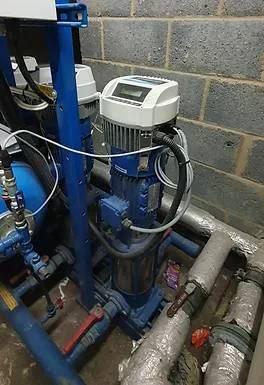
Sometimes when the power to an inverter is turned off (power cut/maintenance/repair etc) the inverter won’t turn on again afterwards.
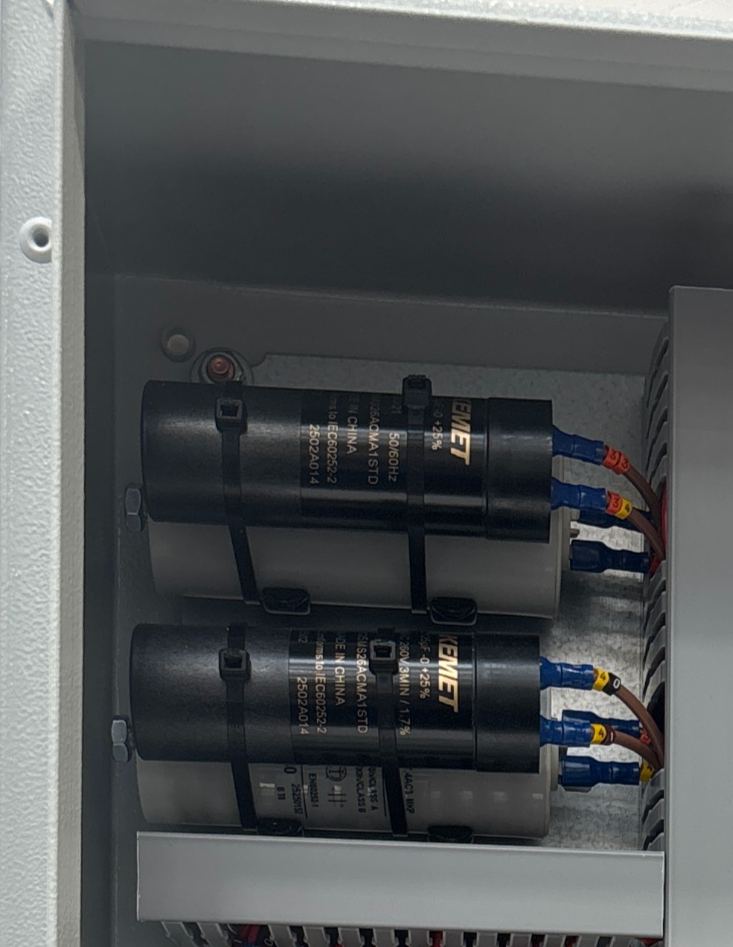
What follows next is difficult explanations about why a perfectly working inverter has suddenly failed after the maintenance engineer worked on the equipment. Well here’s the inside secret that you need to help you explain it: the inverters have a capacitor inside which (in certain conditions) blows up when you turn the Hydrovar off. And you can’t repair it.
The next hurdle to overcome is that it's not possible to source old versions of the inverter, and the new generation aren’t compatible with the old ones. You can get a communications card to help but it’s not straightforward. And even if you do get it working, you still have at least one old inverter which is liable to fail next time the power is shut off. So realistically, usually all of the inverters get replaced. Multiple inverters = big bill coming your way.
If you’re lucky enough to have read this before doing anything about the problem then the good news is, with this knowledge under your belt you’re just about to save a lot of time, money and failed inverter replacement attempts. There’s a much better solution…
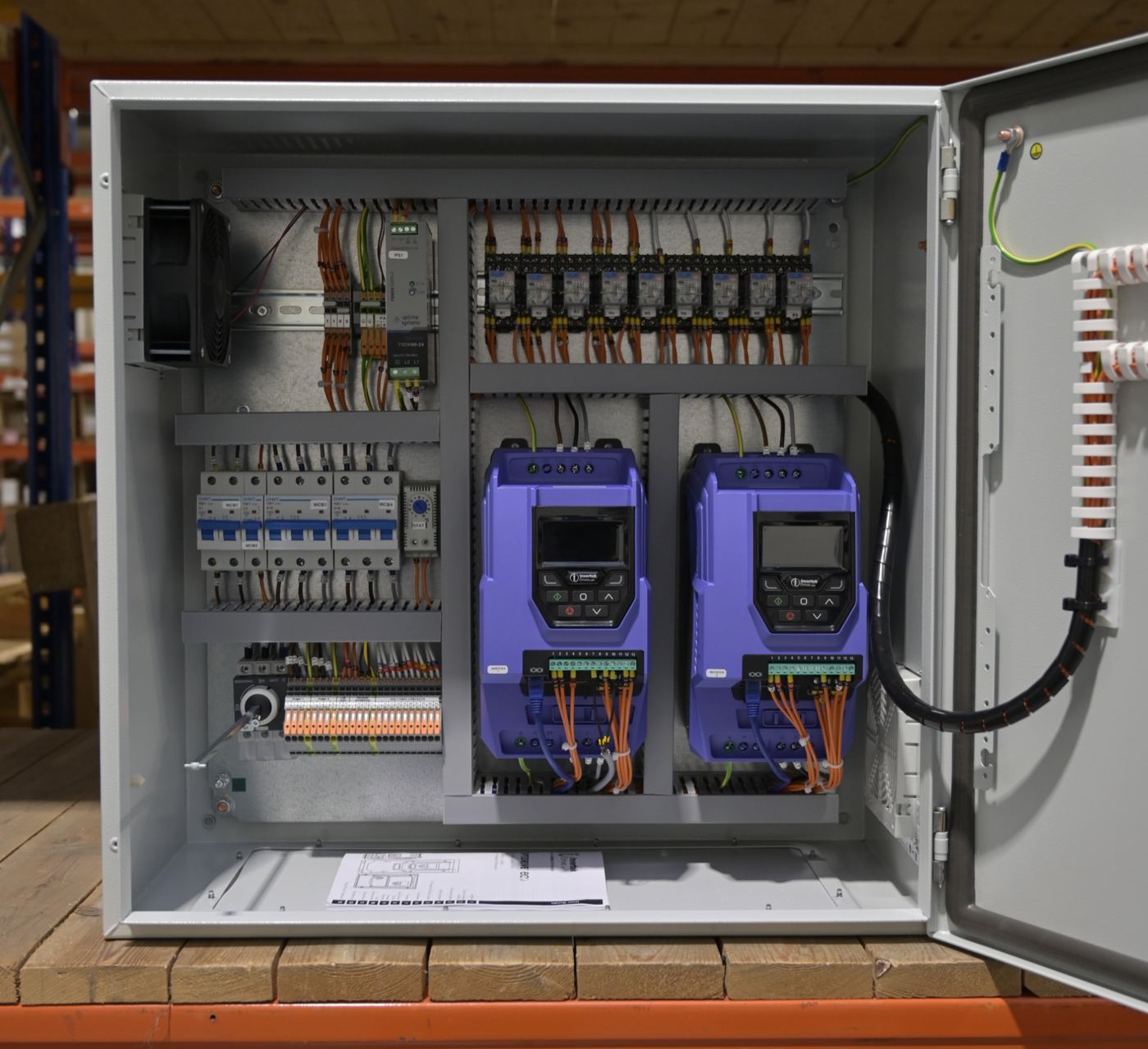
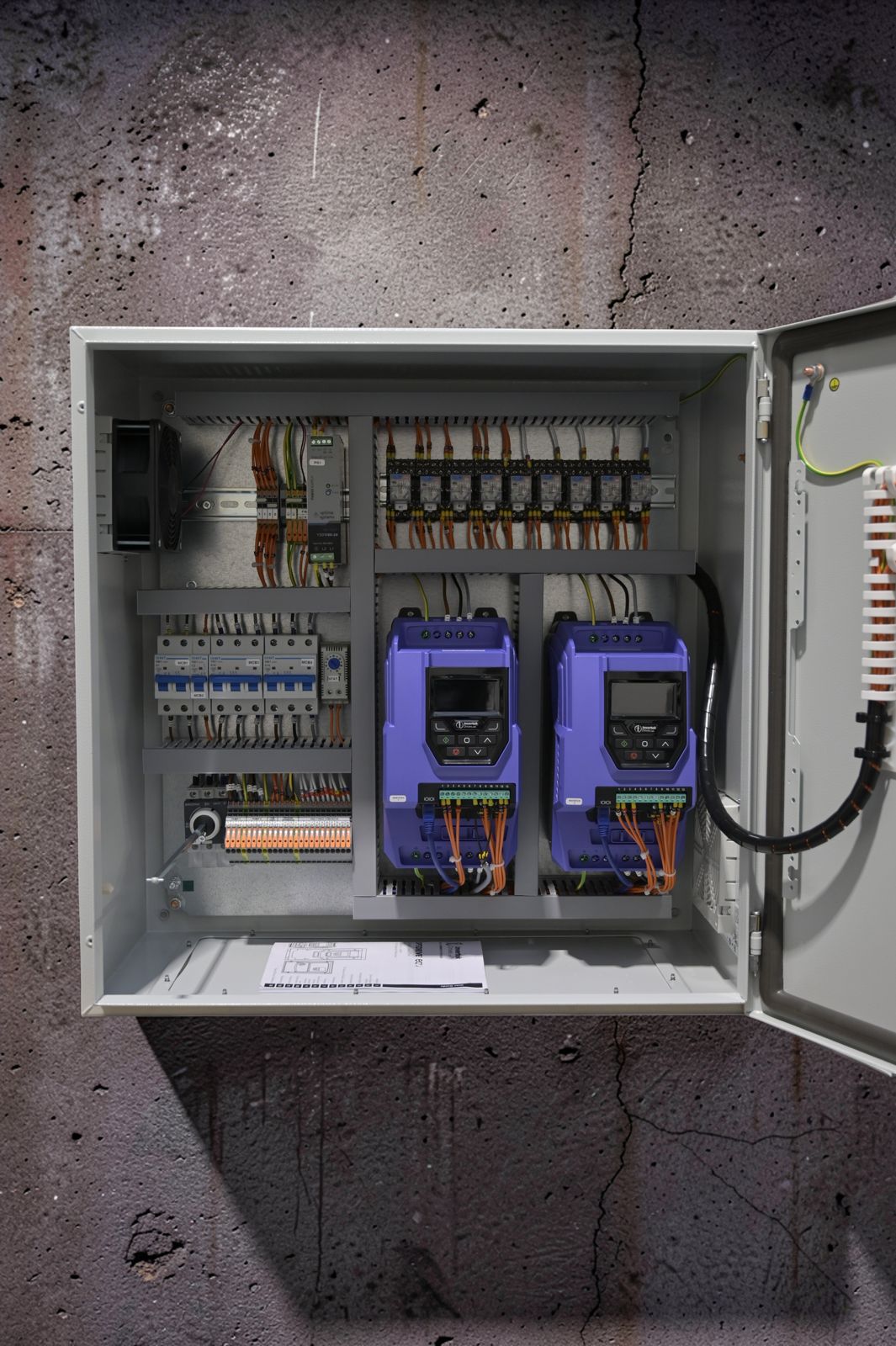
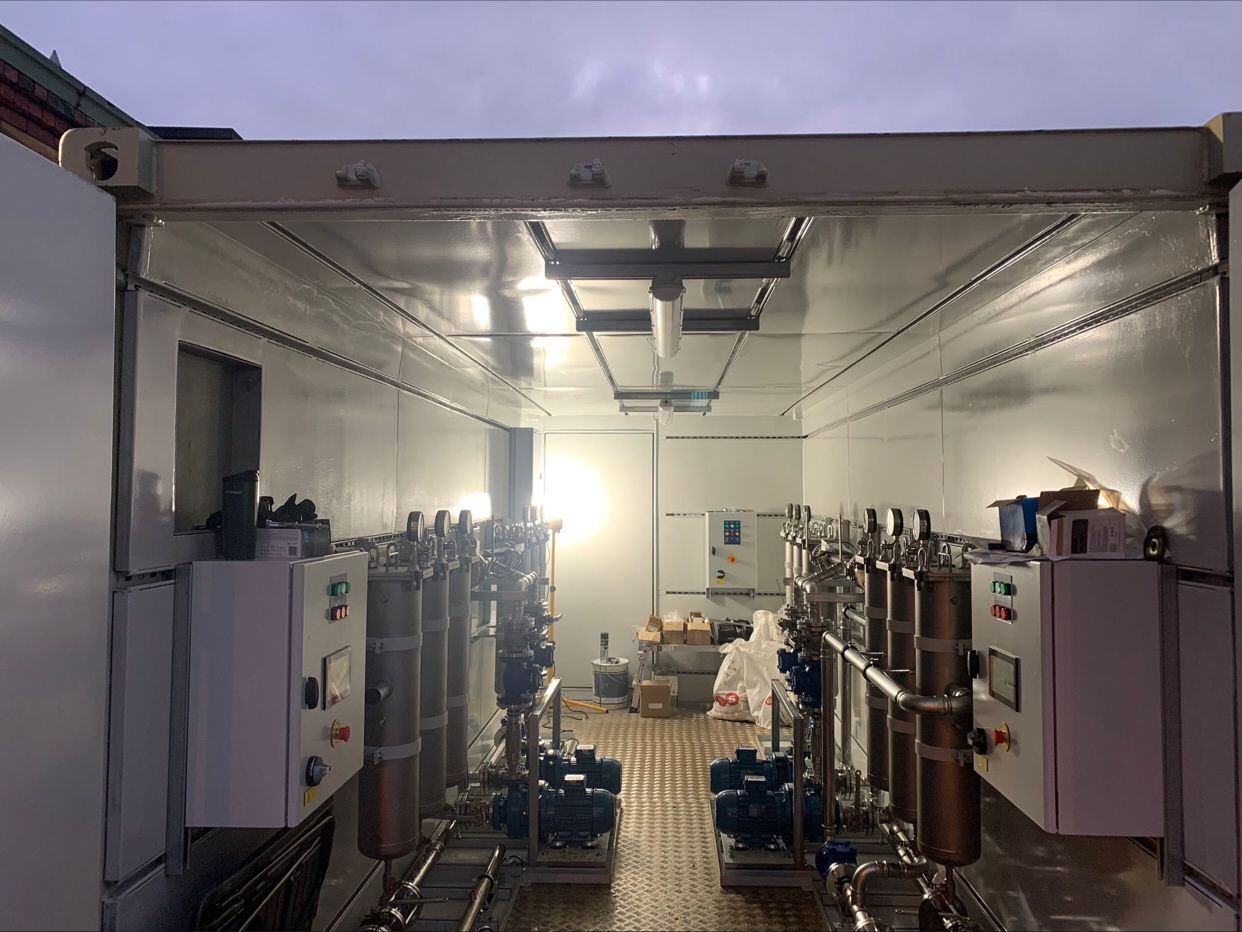
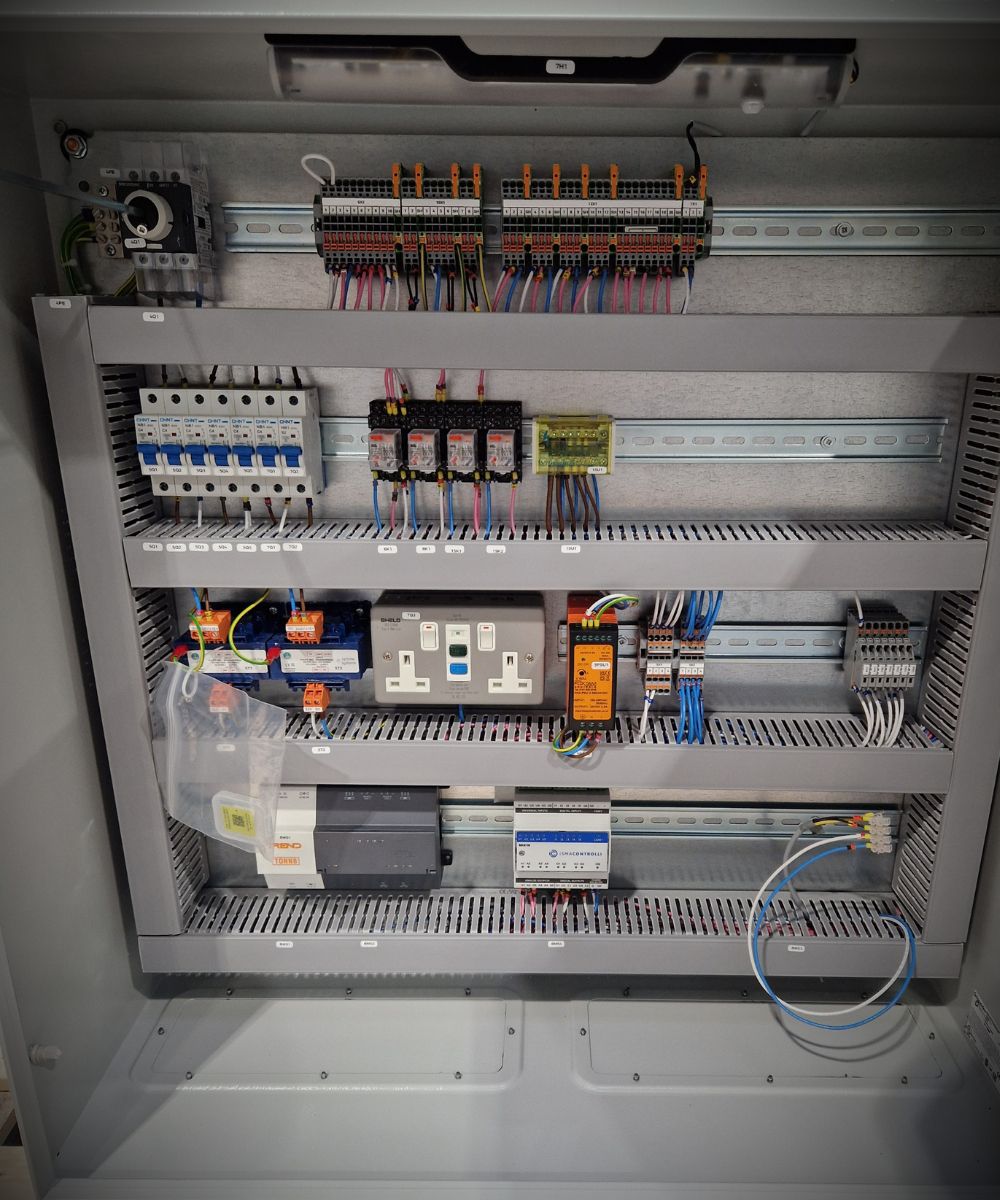
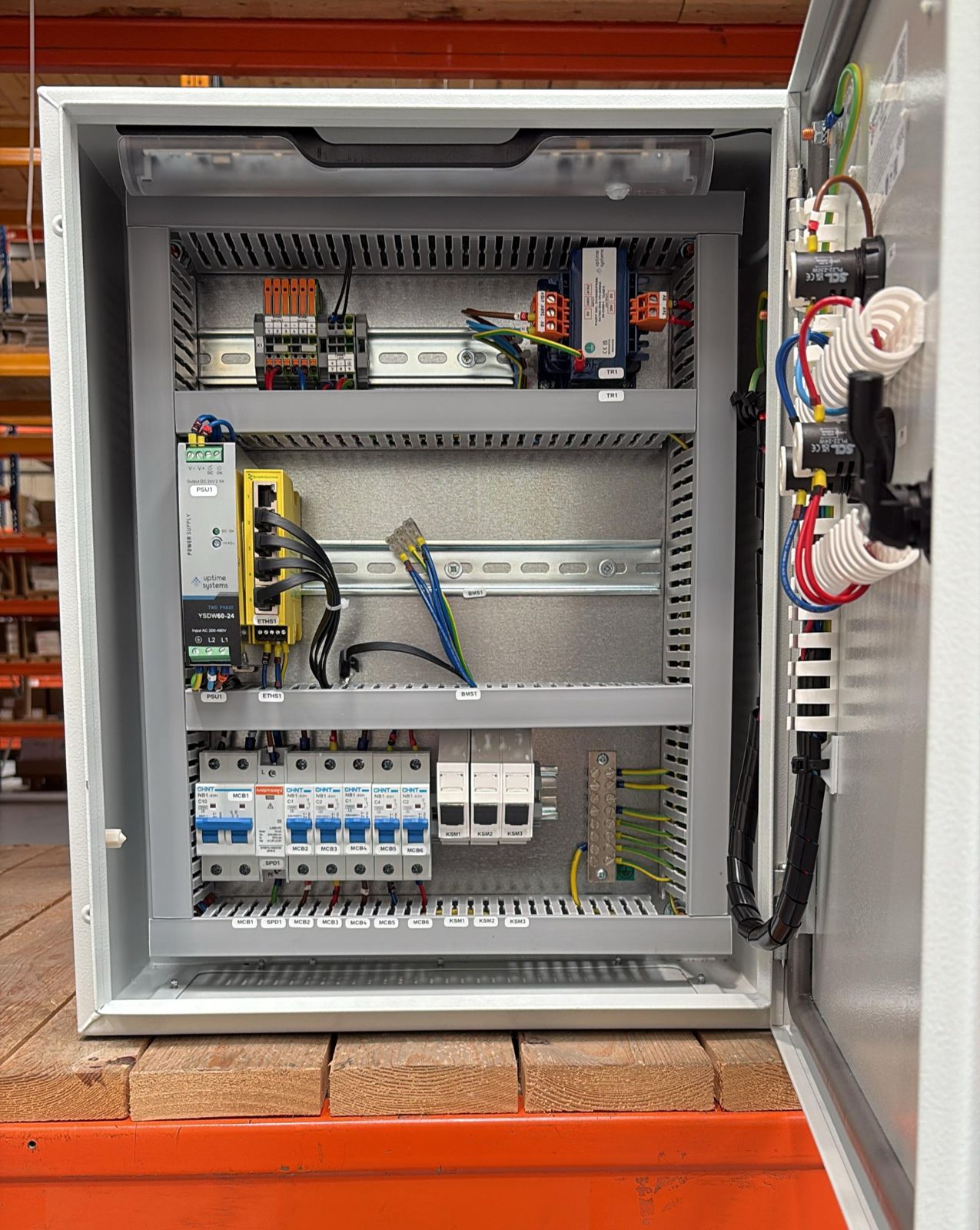
Working with the fantastic technical team at Invertek Drives Ltd (www.invertekdrives.com) we developed our own pump specific program. We then designed a panel with in-built Invertek inverters. How do you fix your failed inverter? You remove all of the inverters, install a new control panel and connect the pumps directly into the panel. This will cost you less money, save you time on site, and give a much better final result to the customer.
Run the power into the isolator in the panel, then run power directly from the inverter to the pumps, connect the pressure transducer to the input on the terminal rail, input the setpoint to the screen (or directly into the inverter if screen option not selected) and you now have a functioning booster set.
The onsite engineer doesn't need to put in multiple settings, set points or copy parameters from inverter to inverter. Put the set point in and the intelligent inverters will do the rest.
The panel automatically adjusts each pump speed to meet the set point, will bring in multiple pumps when demand is high and automatically change duty to keep the running hours of the pump approximately balanced.
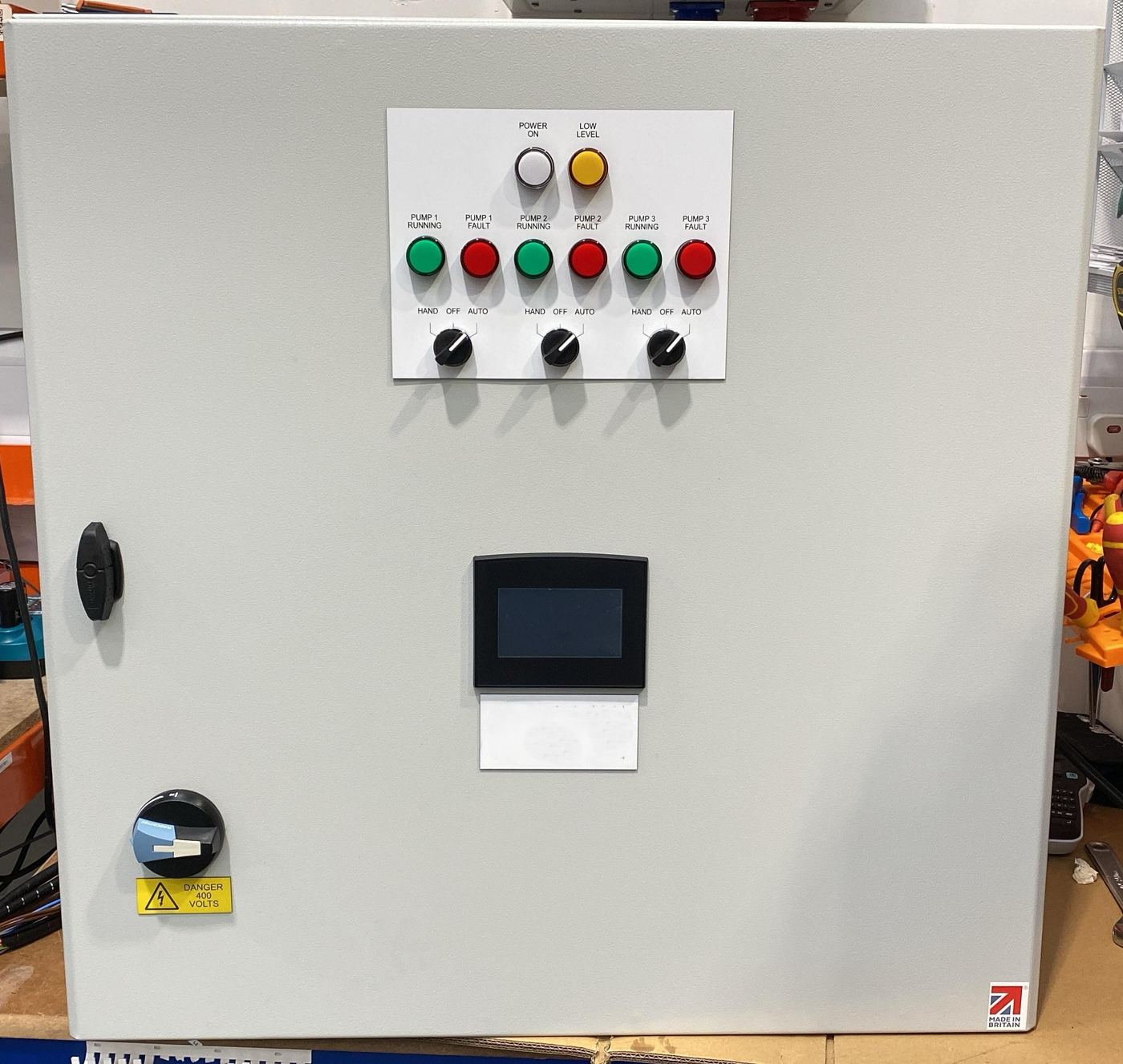
The cost of a dual pump booster set control panel with built in drives costs around the same price as a single OEM inverter. It really is that good. Available from single pump to six pump, 0.5kW to 250kW pumps.
Written by the engineers at G&G Controls, a UK control panel manufacturer in Stoke-on-Trent. For general guidance only; consult a qualified professional for advice on your own installation.
Up next
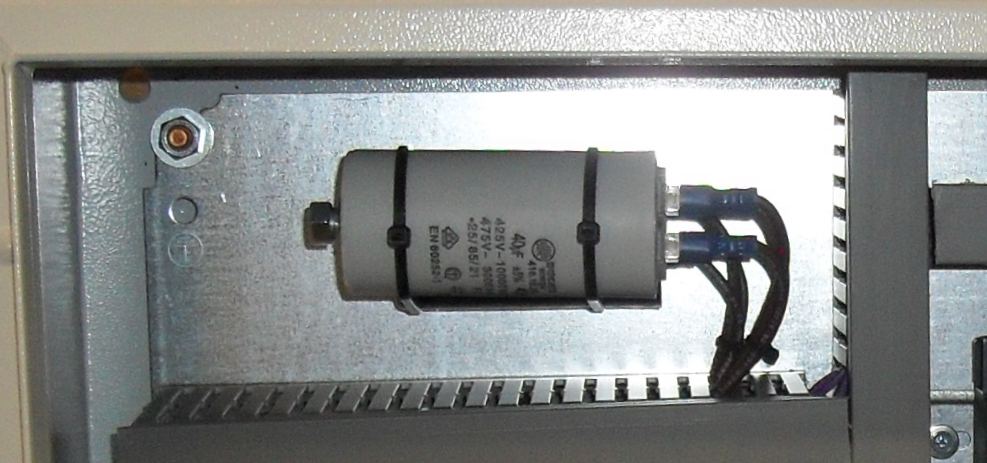
Capacitor Sizes
What size capacitors does my pump need, and do they go in the panel? Capacitor sizes are one of the hardest pieces of information to find, so here is what you need and where it goes.