How to run a 3 phase motor on a single phase supply
By Tristan Newton, Commercial Director · 20 February 2026 · 5 min read
If you've ever faced a situation where you've got single-phase power but need to run a three-phase motor you've likely looked at single-phase-in, three-phase-out inverters, a function which is easiest to do with a variable speed drive (VSD). These are really useful for something like a large domestic property which only has a single phase 230V supply but needs a fairly powerful wastewater pump - single phase pumps are so much more likely to get blocked (more on this later).
There are critical limitations that can trip up even experienced engineers. This article explains how these single-phase to three-phase variable speed drives work, what they fundamentally cannot do, how to check if your pump motor can accept 3‑phase 230V, and why three‑phase 230V offers substantial advantages over single‑phase 230V.
How Single-Phase to Three-Phase Inverters Work (In Plain English)
At a high level, they do three things:
- They take your single‑phase 230V AC supply and convert it internally into DC.
- They then convert that DC to create three separate AC outputs, 120° apart, which look like a normal three‑phase supply to the motor.
- At the same time they 'chop' that power up, and by changing how fast they and how long each pulse is on for, they control both motor speed and torque.
From the user’s point of view, you feed in single‑phase 230V and get out a fully controllable, variable‑speed, three‑phase 230V supply to your motor. Turn the frequency (Hz) down and the pump slows; turn it up and the pump speeds up.
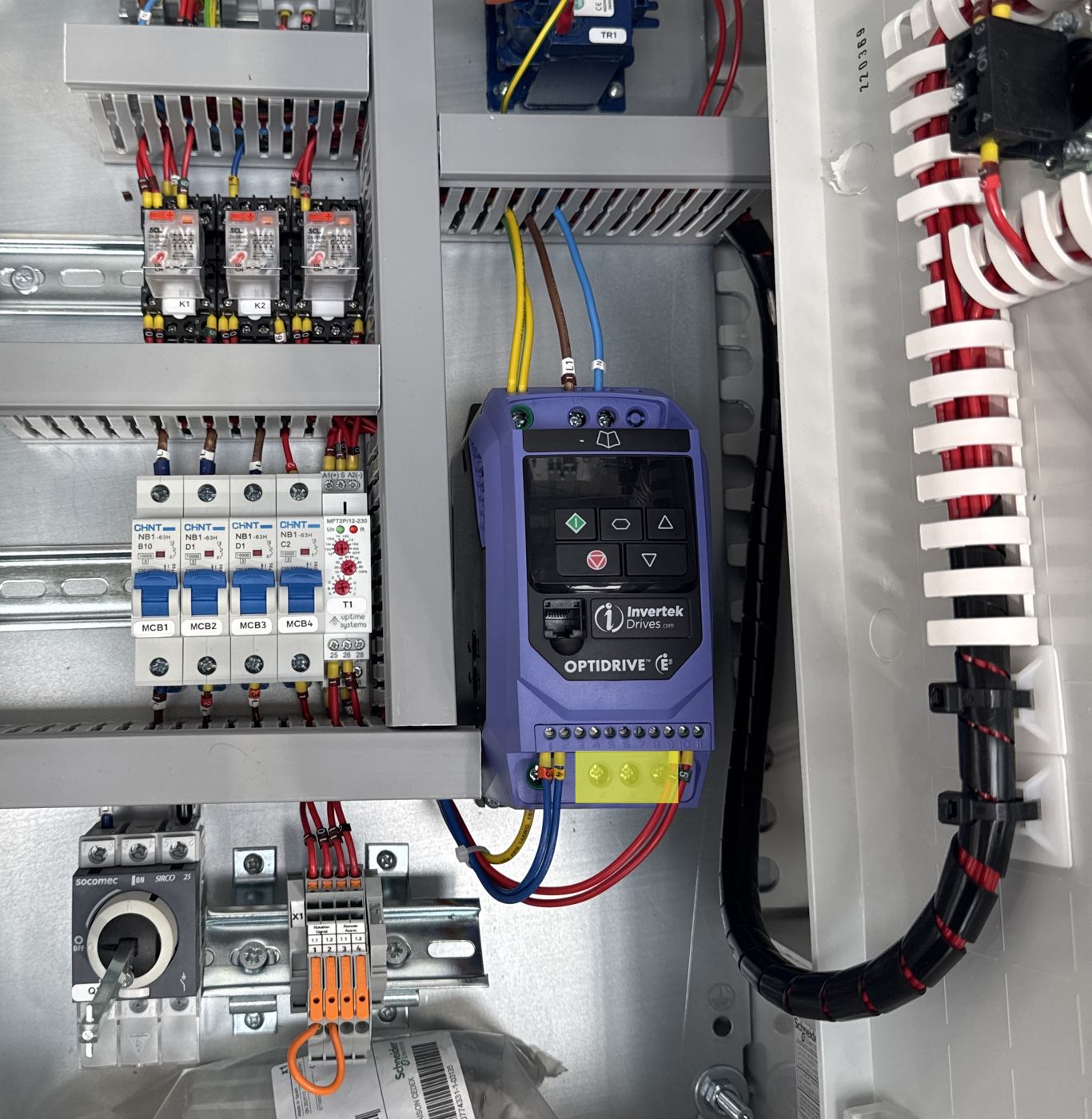
A single phase to 3 phase inverter
However, there is one non‑negotiable limit: the drive cannot output a higher voltage than it is supplied with in the first place. If you feed it 230V single‑phase, you can only get 230V three‑phase out of it, not 400V.
Why You Can't Get 400V Three-Phase Out from 230V Single-Phase In
This is the most important concept to grasp: these drives cannot step the voltage up.
- A standard single‑phase 230V drive will only ever give you around 230V line‑to‑line three‑phase out.
- It cannot turn 230V single‑phase into a true 400V three‑phase industrial supply on its own.
- Trying to run a 400V‑only motor from a 230V three‑phase drive will result in poor torque, overheating and nuisance trips, and likely to damage equipment.
How to Check if Your Pump Motor Can Take 3-Phase 230V
Many European motors are dual‑voltage. These are the ideal for single‑phase‑in, three‑phase‑out variable speed drives, because you can wire them exactly for 230V three‑phase operation.
Step 1: Read the Motor Nameplate
Look for voltage markings like:
- 230/400V
- Δ230V / Y400V
- 230VΔ / 400VY
 Here the data plate shows the pump can be run in either 400V or 230V.
If you see this type of marking, it means:
- The lower voltage (230V) is for delta (Δ) connection.
- The higher voltage (400V) is for star (Y) connection.
In other words:
- On a 400V three‑phase supply, you connect the motor in star.
- On a 230V three‑phase supply (from your single‑phase‑in, three‑phase‑out inverter), you connect the motor in delta.
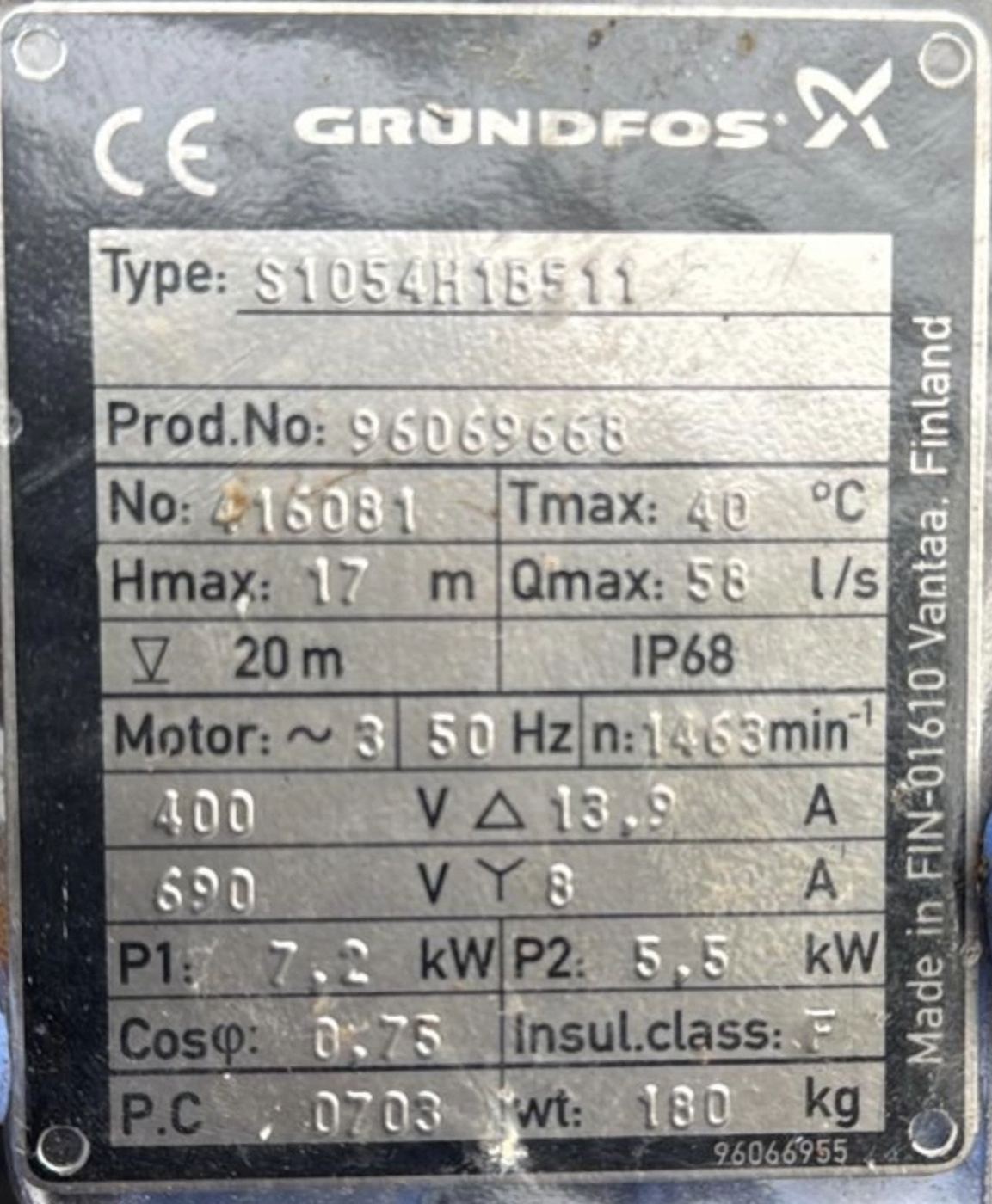
If the nameplate doesn't have a 230V rating, the motor is likely not suitable for running at 230V. Sometimes the inside of the terminal box cover has a more detailed diagram showing whether a 230V delta option exists. If there is no mention of 230V at all and only three terminals are present, assume it is 400V‑only and cannot be reconfigured (easily) for 230V.
In this example data plate, the pump is only suitable for running at 400V or 690V.
Step 2: Check the Terminals
You need six terminals accessible in the motor terminal box (often labelled U1/U2, V1/V2, W1/W2 or T1–T6) to be able to swap between star and delta. With only three external terminals and no internal links shown, the windings are usually permanently wired in star inside the motor..
Step 3: Wire for 230V Delta
For 230V three‑phase operation from your drive:
- Wire the motor in delta according to the diagram in the terminal box.
- Confirm that the inverter’s maximum current rating is sufficient for the higher current at 230V delta (the nameplate will usually list both the 400V current and the 230V current).
A common, dangerous mistake is to wire a 230/400V motor in delta and then connect it to a 400V supply - this applies 400V across 230V windings and will destroy the motor very quickly. Always double‑check the combination of supply voltage, wiring configuration, and nameplate data before energising.
The Benefits of 3-Phase 230V Over Single-Phase 230V
If a single‑phase‑in, three‑phase‑out inverter is essentially a variable‑speed drive, why bother with three‑phase motors at all? Because 3 phase motors, even at 230V offer a lot more torque than single phase motors.
Better Efficiency and Power Density
For the same frame size, a 3‑phase motor is typically more efficient than a 1‑phase equivalent. Over thousands of hours of pump runtime, even a few percentage points improvement in efficiency translates into real energy savings.
Stronger Starting and Smoother Running
- Three‑phase motors produce a naturally rotating magnetic field, so they have higher starting torque and start cleanly without needing start capacitors or centrifugal switches.
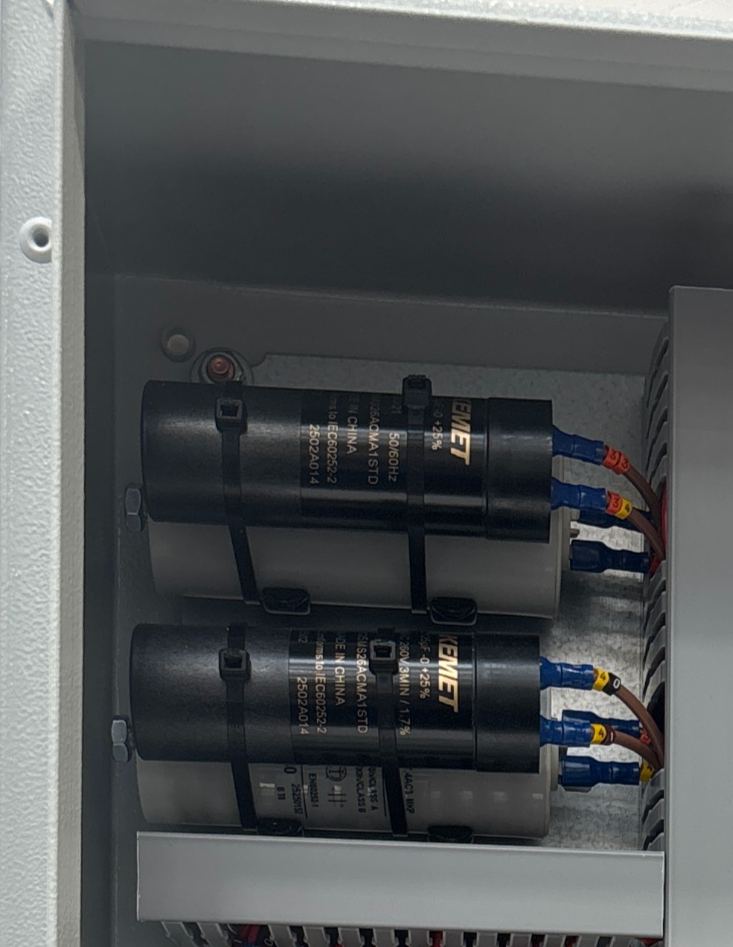
- Single‑phase motors rely on extra windings and capacitors just to get moving, which are all extra things to fail.
- Three‑phase torque is smooth and continuous, whereas single‑phase torque pulses twice every mains cycle.
To understand why 3 phase pumps are more reliable than single phase pumps, read our dedicated blog here: Why do single-phase pumps block more often than three-phase pumps?
The information provided in this blog post is intended for general knowledge and guidance only. It does not constitute professional advice. Please consult a qualified professional for advice specific to your situation before making any decisions based on this information.
Written by the engineers at G&G Controls, a UK control panel manufacturer in Stoke-on-Trent. For general guidance only; consult a qualified professional for advice on your own installation.
Up next
How to wire the control terminals on an Invertek Optidrive Eco (ODV-3)
The Invertek Optidrive Eco (ODV-3) is a popular choice for HVAC and pump applications across the UK. Whether you're controlling a fan motor or a borehole pump, getting the control wiring right is essential for reliable operation. This guide covers the control terminal layout, common configurations,