Why wastewater pumps should be deliberately over-sized
By Tristan Newton, Commercial Director · 23 January 2026 · 2 min read
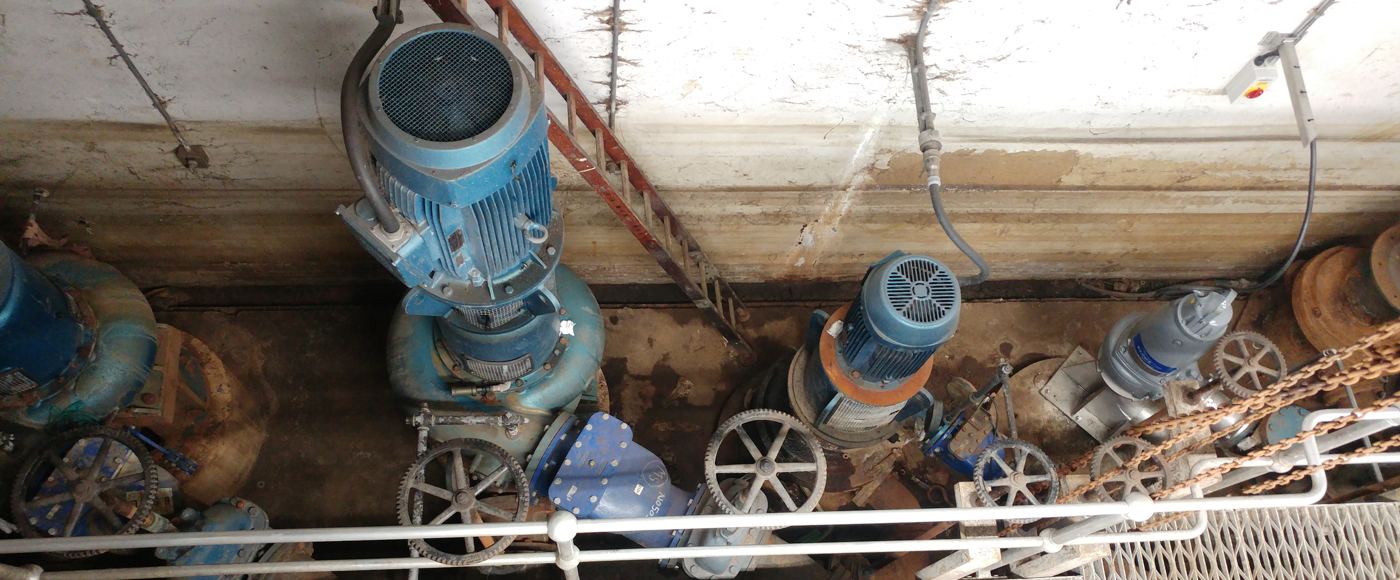
Controversial view - wastewater pumps should not be sized according to the required flow and pressure.
In the world of pump sizing, lots of attention is paid to the required flow and pressure, or 'duty point'. The pump is then selected which can achieve this (plus maybe 10%), and as close as possible to the maximum efficiency point on the curve. But this is mostly about preventing pump cavitation, and when was the last time you had a wastewater pump fail due to cavitation? For context - the pumps we're talking about here are smaller (<15kW) wastewater pumps serving a few houses or a single larger building such as a hotel or factory.
The truth is, as long as the pump can do at least the required duty then by far the most important thing for wastewater pumps is; will it get blocked and/or will it trip?
1. Larger Pumps Handle Solids Better
Smaller impellers and narrower volutes are more prone to blockage. Rags, wipes, and fibrous debris often get caught in tight clearances, forcing operators into unplanned maintenance. A larger pump provides a wider passage through the impeller and casing, allowing solids to pass through cleanly. In practical terms, the difference between a 2" and a 3" pump can be the difference between “set and forget” and “weekly call out.”
2. Over-Sized Doesn’t Mean Inefficient
A common misconception is that bigger pumps automatically use more energy. In reality, the energy used is in proportion to the speed of the flow, so if the flow rate stays the same then the electricity used will be fairly similar even if the motors are different sizes. And then also sometimes it uses more energy overall to slowly pump out a pit at a lower rate than it would to quickly pump it out at a higher rate (depending on the most efficient point on the system curve, if you're into that stuff).
3. Better Performance During Peak Loads
Rainfall events or busy production cycles can cause rapid level rises. An over-sized duty/assist pair is far less likely to be overwhelmed during peak inflow. The additional capacity gives operators breathing space, reduces the risk of overflow, and keeps systems compliant even when inflow exceeds design expectations.
4. Built-In Redundancy and Resilience
When one pump fails, an over-sized standby can comfortably cope with demand until repairs are made. With smaller sets, a single failure can quickly lead to site flooding or environmental discharge. In critical wastewater applications, that margin of safety is invaluable.
The Bottom Line
Deliberately specifying larger pumps isn’t over-engineering, it’s smart engineering. You get fewer blockages, faster pumping, more resilience, lower maintenance costs, and often even lower lifetime energy costs. For modern wastewater systems where uptime and environmental performance matter more than ever, “over-sized” is simply the right size.
The information provided in this blog post is intended for general knowledge and guidance only. It does not constitute professional advice. Please consult a qualified professional for advice specific to your situation before making any decisions based on this information.
Written by the engineers at G&G Controls, a UK control panel manufacturer in Stoke-on-Trent. For general guidance only; consult a qualified professional for advice on your own installation.
Up next
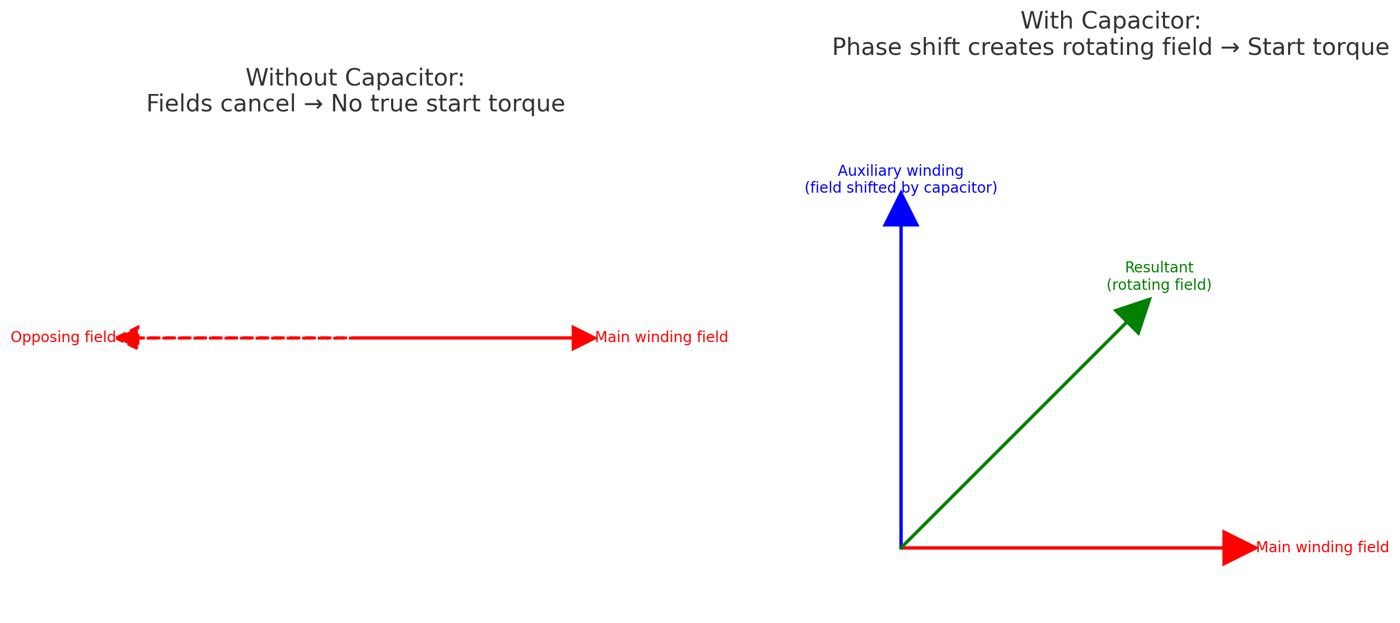
Why do single phase pumps block more often than three phase pumps?
As most pump engineers will be able to tell you, single phase pumps are much more liable to get blocked than three phase pumps. But why?